|
|
Latest Articles

New Movies







Foreign






|

Torrent Description
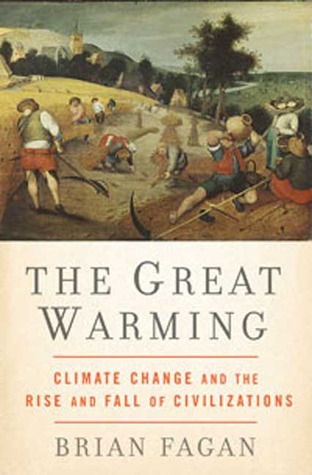 Category: History, Science Language: English Keywords: Climate Written by Brian Fagan Read by Tavia Gilbert Format: MP3 Bitrate: 64 Kbps A breakout bestseller on how the earth’s previous global warming phase reshaped human societies from the Arctic to the Sahara — a wide-ranging history with sobering lessons for our own time. From the tenth to the fifteenth century the earth experienced a rise in surface temperature that changed climate worldwide — a preview of today’s global warming. In some areas, including western Europe, longer summers brought bountiful harvests and population growth that led to cultural flowering. In the Arctic, Inuit and Norse sailors made cultural connections across thousands of miles as they traded precious iron goods. Polynesian sailors, riding new wind patterns, were able to settle the remotest islands on earth. But in many parts of the world, the warm centuries brought drought and famine. Elaborate societies in western and central America collapsed, and the vast building complexes of Chaco Canyon and the Mayan Yucatán were left empty. The history of the Great Warming of a half millennium ago suggests that we may yet be underestimating the power of climate change to disrupt our lives today — and our vulnerability to drought, writes Fagan, is the “silent elephant in the room.” Anthropologist and historian Brian Fagan reveals how subtle changes in the environment during the earth’s previous global warming phase, from the tenth to the fifteenth centuries, reshaped human societies from the Arctic to the Sahara. The history of the Great Warming suggests that we may yet be underestimating the power of climate change to disrupt our lives today — and our vulnerability to drought, writes Fagan, is the “silent elephant in the room.” Half a millennium ago, the earth experienced a rise in surface temperature that changed climate worldwide — a preview of today’s global warming. In some areas, including Western Europe, longer summers brought bountiful harvests and population growth that led to cultural flowering. In the Arctic, Inuit and Norse sailors made cultural connections across thousands of miles as they traded precious iron goods. Polynesian sailors, riding new wind patterns, were able to settle the remotest islands on earth. But in many parts of the world, the warm centuries brought drought and famine. Elaborate societies in western and central America collapsed, and the vast building complexes of Chaco Canyon and the Mayan Yucatan were left empty. Fagan uses that natural history to show that the planet is due for its next warming phase, and explore the dramatic changes that may be in store for the human societies of today when it takes place.
Related Torrents
|
|||||||||||||||||||||||||||||||||||||||||||||||||||||||||||||||||||||||||


 English
Home - Browse Torrents
ExtraTorrent.st is in compliance with copyrights
2025 ExtraTorrent.st